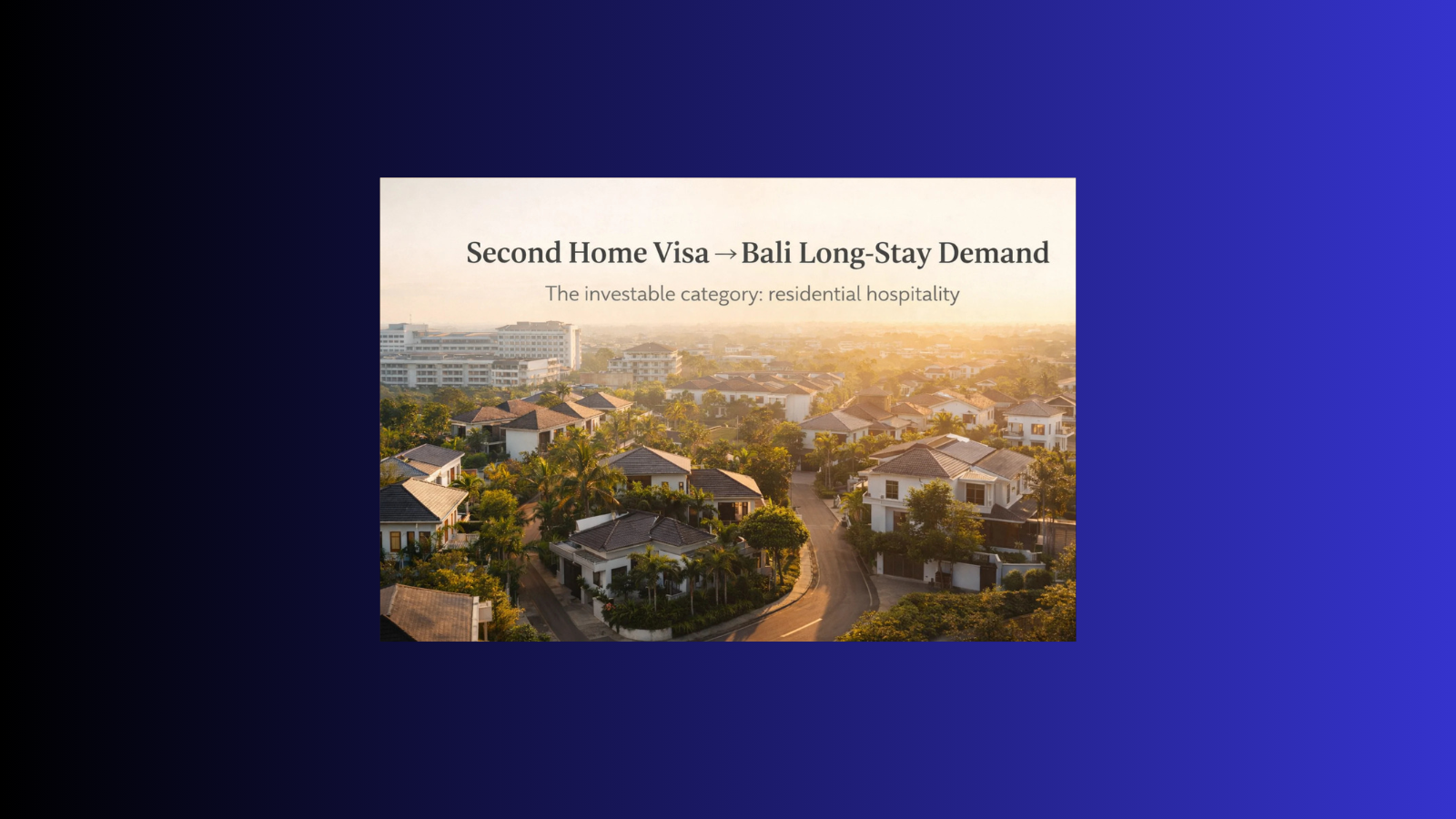
Indonesia’s Second Home Visa is not a “visa headline.” It is a demand-shaping policy that expands the long-stay resident segment in lifestyle destinations like Bali. That creates a new investable category: Indonesia Second Home Visa hospitality—long-stay residential living with hotel-grade services, governance, and compliance.
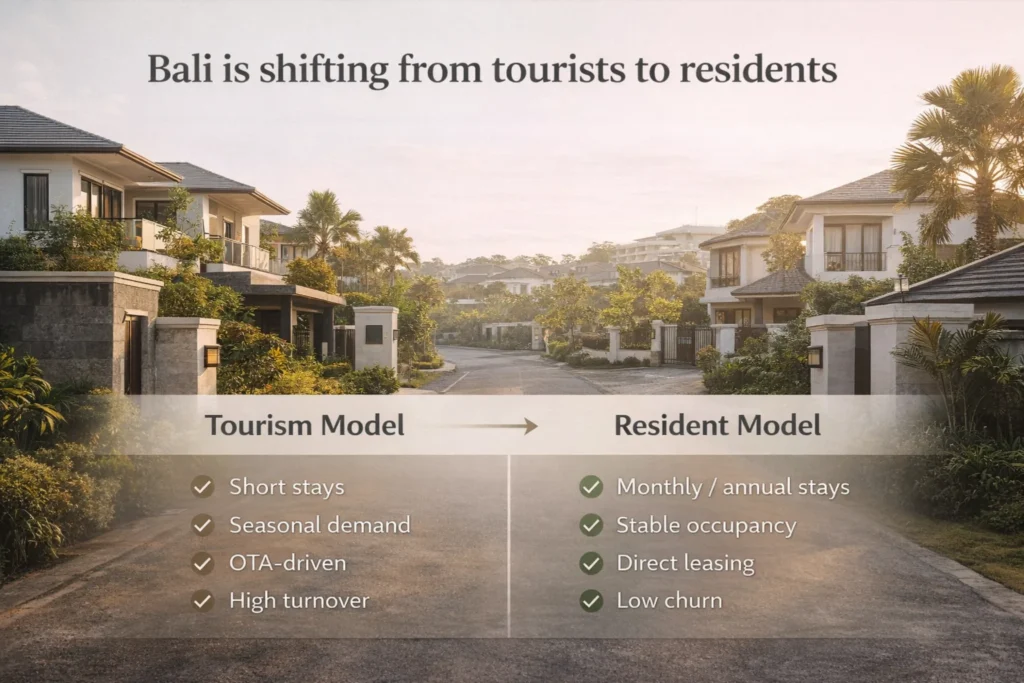
The truth bomb: Bali has underwritten too much inventory as nightly tourism yield. The Second Home Visa strengthens a customer pool that behaves like residents, not tourists. If you design for multi-month and multi-year stays, you can build a more stable revenue base than competing in the most volatile short-stay funnel.
What is the Second Home Visa, and what does it change for Bali demand?
Direct answer: The Second Home Visa is a long-stay residency pathway offered by Indonesian immigration, enabling qualifying foreigners to live in Indonesia for an extended period. In Bali, that increases demand for “liveable” units (kitchens, storage, work zones) and professionally managed residential hospitality formats such as serviced apartments, villa communities with governance, and branded residences.
Authoritative reference:
Why developers should care (not just lawyers)
Long-stay residents do not buy facilities. They buy a predictable living system: quiet, reliable maintenance, stable internet, security, and a service layer that removes friction. That changes what you build and how you operate it.
What are the official rules, and how should developers interpret them?
Direct answer: The legal basis for visa and stay permits is defined in Ministerial regulation, and the operational requirements are described on Indonesian Immigration’s official pages for the relevant categories. For developers, the key interpretation is: your product must be legally clean and “resident-ready” because residents will price in regulatory and operational risk.
Authoritative references:
- Permenkumham No. 22/2023 (PDF) – Visa & stay permit framework
- Imigrasi – Izin Tinggal Terbatas (general reference)
Critical positioning rule
Do not market “visa guarantees.” Market compliance readiness: permits, correct use classification, and resident onboarding workflows. Your credibility lives here.
Why residential hospitality beats pure short-term rentals in 2026–2030
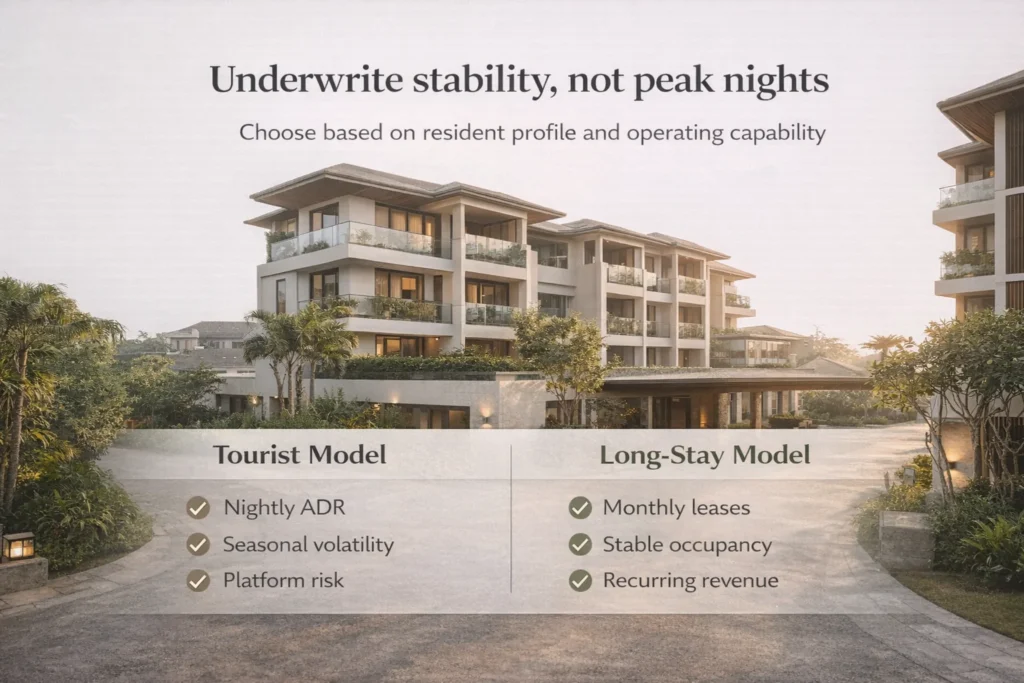
Direct answer: Residential hospitality converts Bali demand from nightly volatility into contracted monthly or annual revenue, with lower turnover costs and a more defensible legal posture. As scrutiny of unlicensed accommodation increases, compliant long-stay models gain a valuation premium because they reduce tail risk and discount rates.
Context signal on tightening posture:
What this means in underwriting terms
Stop underwriting “best-month ADR.” Start underwriting “lease-equivalent occupancy” plus paid service bundles and ancillary capture. This aligns with how stable residential-hospitality assets actually perform.
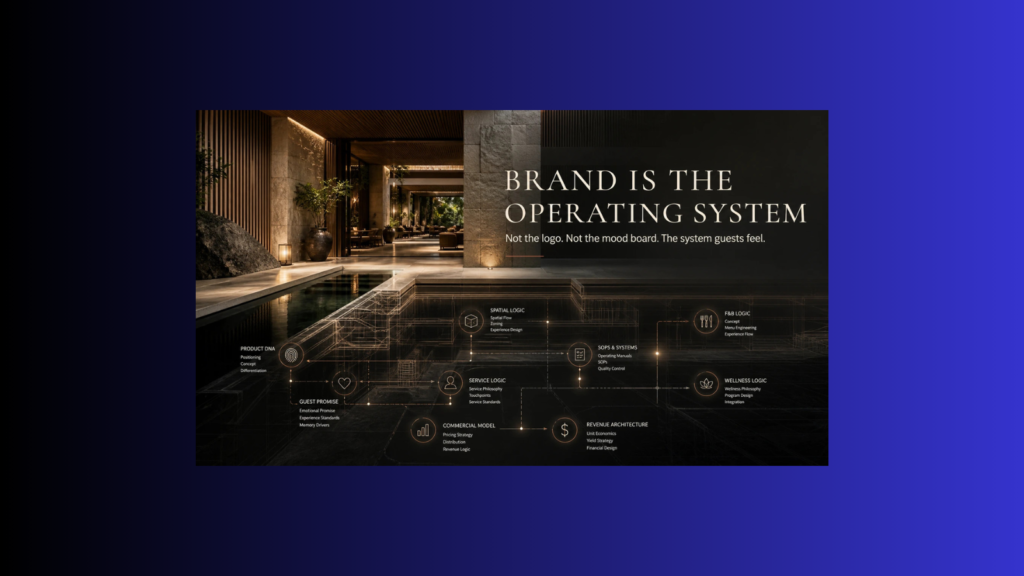
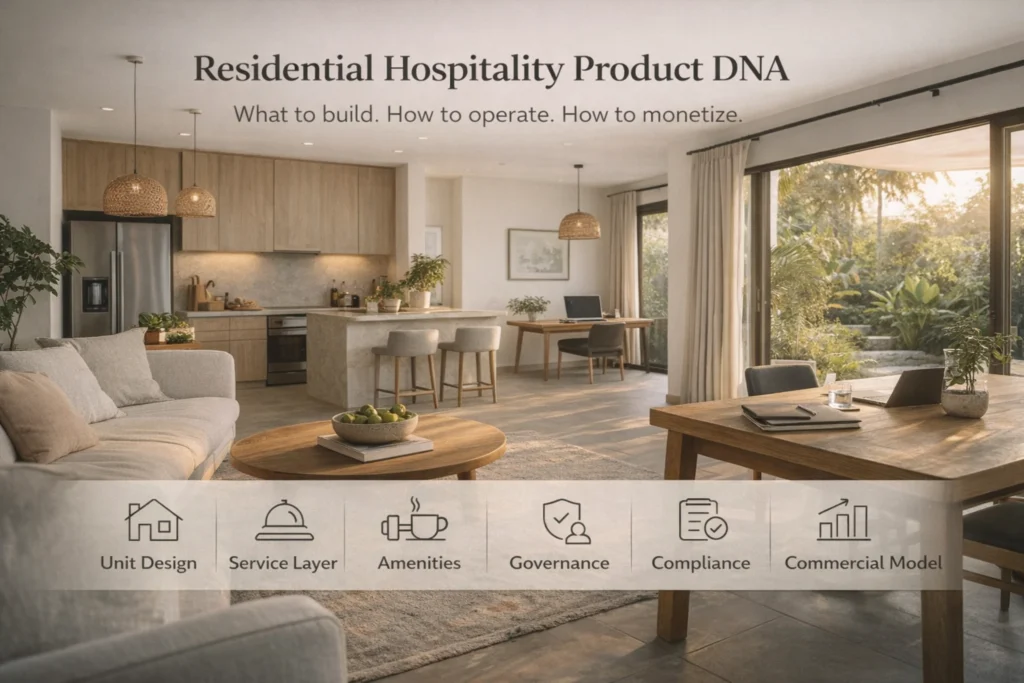
The Product DNA for Indonesia Second Home Visa hospitality (Zenith framework)
This framework is designed to be architect-enabling and investor-readable. It turns “long-stay” from a vibe into a buildable operating system.
| Product DNA pillar | What you build | What residents pay for | What investors should measure |
|---|---|---|---|
| Unit design | Kitchens, storage, real work zones, soundproofing | “I can live here” | Rent premium vs standard rentals |
| Service layer | Weekly housekeeping, linen cadence, maintenance SLA | “Hotel ease” | Cost-to-serve per occupied month |
| Amenities | Coworking, wellness, family-ready spaces | “Lifestyle convenience” | Capture rate (wellness/F&B/add-ons) |
| Governance | Quiet hours, guest rules, repair standards | “Predictability” | Churn + disputes |
| Compliance | Correct permits + licensing posture | “No shutdown risk” | Compliance readiness score |
| Commercial model | Tiered leases + service packages | “Flexibility” | Blended yield + stability |
Zenith insight: In Bali, long-stay tenants pay a premium when legal clarity + service reliability is explicit. When it is vague, they discount you heavily—because they price in shutdown risk and hassle.
What should you build? Four formats that match long-stay visa-driven demand
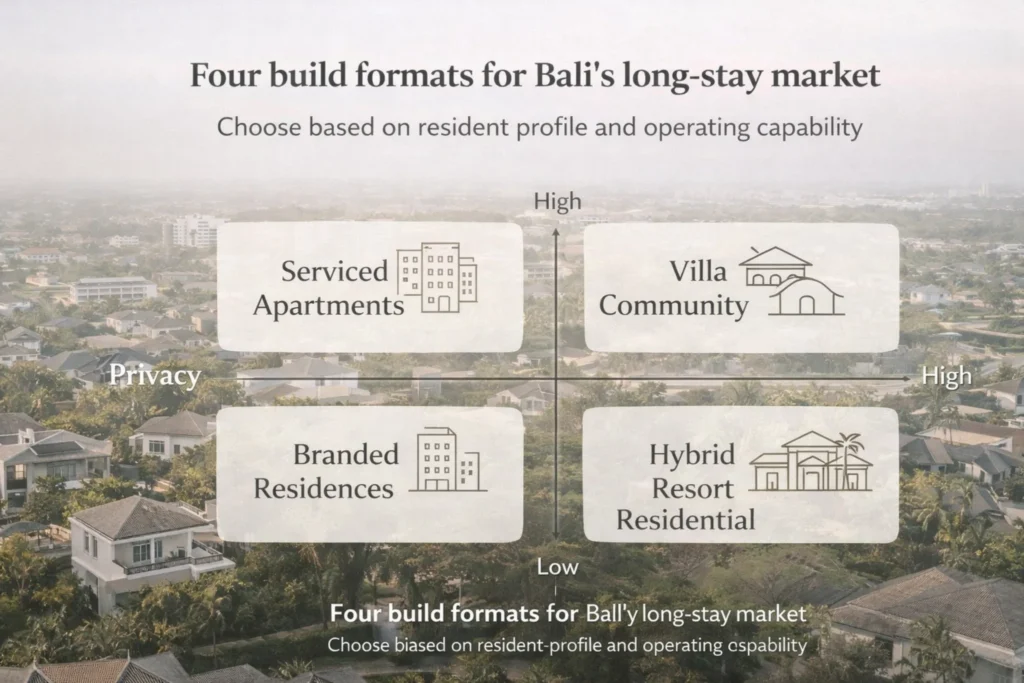
1) Serviced apartments (most scalable)
Best for: 1–2BR units, predictable ops, strong absorption near lifestyle nodes.
Non-negotiables:
- Proper kitchens or kitchenettes (not decorative “pantry corners”)
- Work zone + storage
- Internet redundancy and a basic power backup plan
- A resident manager + ticketing system (replace “ad-hoc WhatsApp maintenance”)
2) Villa communities with a club operating model
Best for: families, privacy-first residents, wellness lifestyles.
Winning features:
- Controlled access, security, and clear governance
- Standardized maintenance SLA
- Optional service bundles (weekly or twice-weekly)
3) Branded residences (high-ticket trust play)
Best for: premium buyers who want quality assurance and predictable service delivery.
Why it works: brand governance compresses buyer uncertainty, raises willingness to pay, and reduces post-handover complaints—if operations are real, not brochure-deep.
4) Hybrid residential hospitality inside a resort ecosystem
Best for: projects that can bundle privacy-at-home with resort amenities.
This is where long-stay stabilizes the hospitality engine: residents support baseline demand while short-stay guests drive peak-season upside.
Pricing and underwriting: how to model long-stay without fooling yourself
Direct answer: Model long-stay like a hospitality business with contracted revenue. Use lease packages as your base, then monetize services and ancillaries. Underwrite conservatively using lease-equivalent occupancy, not peak-season nightly rates. The result is a more bankable revenue profile and lower dependence on platform-driven short-stay demand.
A practical revenue model (simple, investor-grade)
- A) Base lease revenue: monthly + annual packages
- B) Service bundles: housekeeping cadence, linen, maintenance plan
- C) Ancillaries: coworking, wellness memberships, F&B capture, transport
Packaging that sells (three tiers):
- Residence Only (minimal services)
- Serviced Residence (weekly housekeeping + maintenance SLA)
- Fully Managed (concierge + higher housekeeping cadence + selected lifestyle bundles)
This is how you monetize “resident convenience” without confusing the market.
Compliance and licensing: the “grey zone” is not a strategy
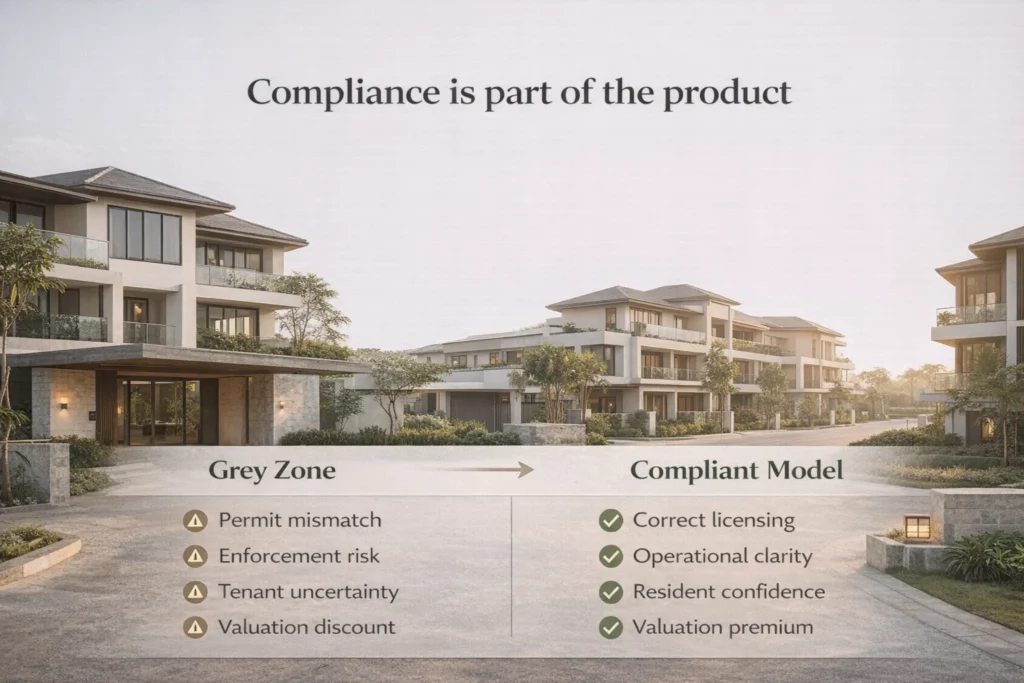
Direct answer: For long-stay residents, compliance is part of the product. If you market accommodation for rent, your permits and licensing posture must match the actual use. Bali’s tightening stance on land conversion and permitting increases the penalty of non-compliance and raises the value of legally clean, professionally operated stock.
Authoritative + contextual references:
- Imigrasi – Izin Tinggal Terbatas (general reference)
- Permenkumham No. 22/2023 (PDF)
- The Jakarta Post – Bali restrictions context
Practical compliance posture (developer checklist)
- Confirm permits match use (build + operate)
- Ensure licensing posture supports renting if renting is marketed
- Build resident onboarding workflows (reporting, guest rules, security protocol)
- Make it auditable: residents and investors trust documented systems
HOW TO: Capitalize on Indonesia Second Home Visa hospitality (30–90 day developer playbook)
This is written to be snippet-ready and operationally executable.
Step 1 — Define resident archetypes (Week 1)
Pick 2–3 only:
- Remote executive/couple
- Family with schooling needs
- Retiree/wellness-focused resident
Output: unit mix, noise tolerance, service expectations.
Step 2 — Lock the long-stay Product DNA (Week 1–2)
Non-negotiables:
- Kitchens + storage + real work zones
- Quiet and sound control
- Internet redundancy plan
- Governance rules in writing
Step 3 — Engineer the service model (Week 2–3)
Minimum viable stack:
- Weekly housekeeping + linen cadence
- Maintenance response SLA
- Security + visitor workflow
- Resident ticketing / app
Step 4 — Build lease packaging (Week 3–4)
Create:
- Annual leases (discounted)
- Rolling monthly (premium)
- Clear deposit + extension logic
- Service bundles that are easy to understand
Step 5 — Stress-test permits + licensing (Week 3–6)
Confirm:
- Permits match actual use
- Licenses cover marketed rental activity
- Operational readiness (SOPs, staffing plan, service cadence)
Step 6 — Go-to-market partnerships (Week 6–10)
Activate channels that reach residents:
- Relocation agents
- International schools
- Immigration support partners
- Founder/wealth networks
Your conversion lever: turnkey legal long-stay living.
Related Zenith resources (internal links)
To go deeper on investor-grade governance, operating systems, and compliance, start here:
- 42-Point Pre-Opening Handover Audit for Bali hospitality properties
- Hotel developer brand strategy: Bali’s new profit model
- Distressed hotel investment: turnaround strategy for investors
- Zenith Hospitality Global – operator-first advisory and management
- About Zenith Hospitality Global
FAQ
1) Can I treat Second Home Visa residents like “tourists who stay longer”?
No. They behave like residents. They value kitchens, storage, quiet, maintenance reliability, and clear rules. When you treat them like tourists, you increase churn, raise service friction, and get punished in reviews and renewals.
2) What returns profile should investors expect vs short-term rentals?
Expect fewer spikes and more stability. The winning long-stay model is contracted lease revenue plus service bundles and ancillaries. Underwrite using lease-equivalent occupancy, not peak-season ADR. The result is more bankable cashflow and lower platform dependence.
3) What’s the biggest operational mistake in long-stay residential hospitality?
Under-resourcing service delivery. Weekly housekeeping, maintenance SLAs, security, and concierge workflows must be designed like hospitality—not reactive property management. Residents renew when service reliability is consistent and predictable.
4) What’s the biggest compliance mistake?
Marketing rental accommodation without the correct licensing posture and permit hygiene. Residents will avoid assets that feel legally unclear. Investors discount assets that cannot be audited. Bali’s tightening posture increases the penalty of “grey zone” strategies over time.
Summary Takeaways
- The visa strengthens a resident segment that demands liveable units and professional operations.
- Indonesia Second Home Visa hospitality is the category: home + services + governance + compliance.
- Build for real living: kitchens, storage, work zones, sound control, and internet reliability.
- Underwrite stability: lease-equivalent occupancy plus service bundles and ancillaries.
- Compliance is part of the product; it reduces discount rates and protects exit value.
- First movers will capture premium residents while the market still sells tourist-first inventory.
Call to Action
If you are developing (or repositioning) a Bali asset and want to capture the long-stay resident segment, Zenith can structure the end-to-end strategy: Product DNA, unit/amenity program, service model, pricing and leasing, and compliance posture—so your project is built to monetize residents, not chase tourists.
About the Author
André Priebs is CEO of Zenith Hospitality Global, an operator-first hospitality advisory and management platform supporting luxury boutique hotels, lifestyle retreats, wellness/longevity assets, and residential hospitality concepts across Indonesia. Zenith specializes in Product DNA, compliance readiness, operating systems, and commercial performance.